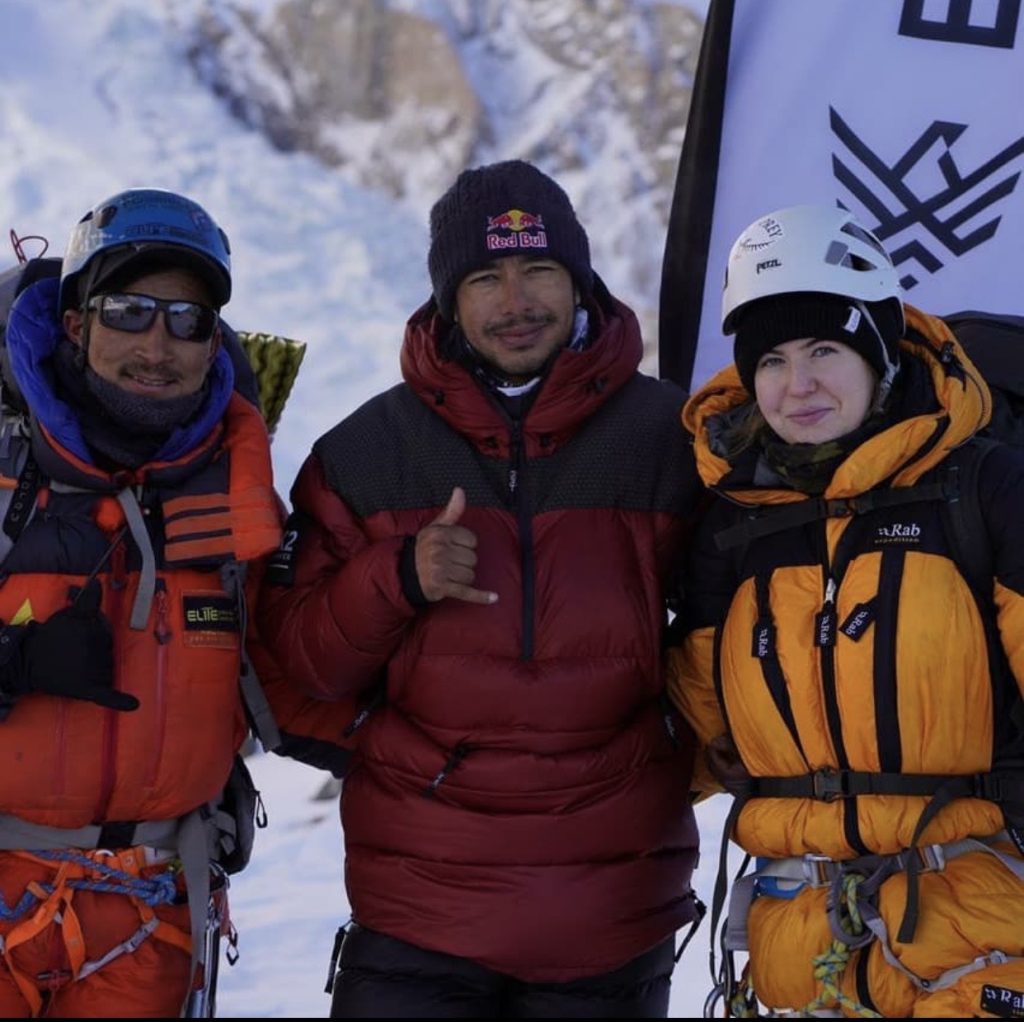
By AGA Adventures
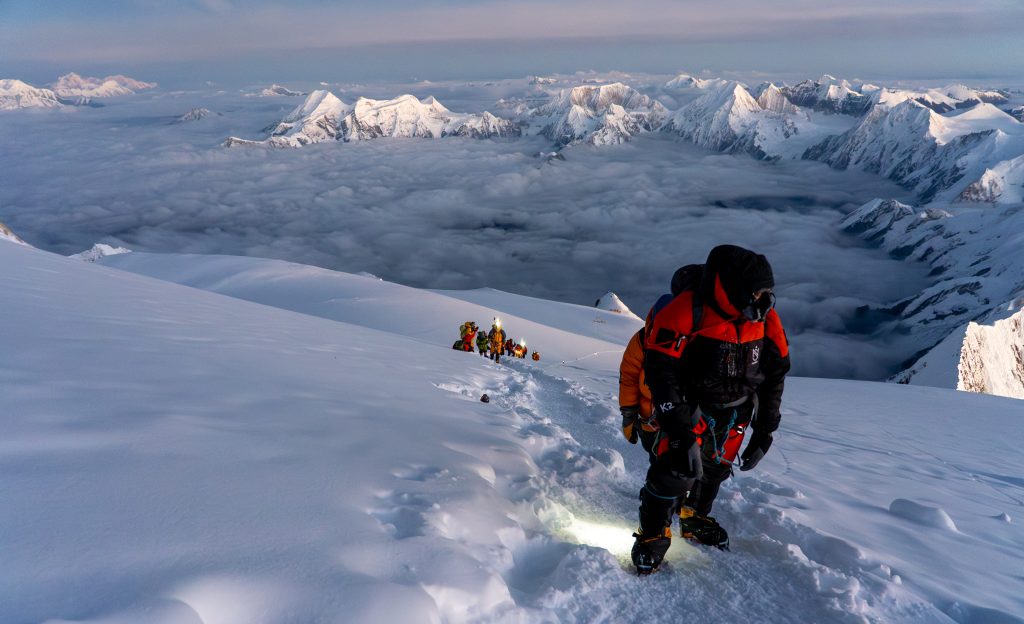
On the morning of May 18, 2023, Gelje Sherpa was guiding a client toward the summit of Everest. He was at 8,300 metres, deep in the death zone, 500 metres from the top. The summit was close. The hard part was nearly over.
Then he saw him.
A climber, alone, hanging from a fixed rope, semi-conscious, fingers frozen, oxygen nearly gone. Stranded at 8,300 metres with no team, no guide, and no way down on his own. He had been there for more than 30 hours.
Every other climber and guide on the mountain that morning walked past.
Gelje stopped.
He performed the worlds highest solo rescue.
The Decision
What happened next is not complicated to describe but almost impossible to fully understand unless you have stood at that altitude. Gelje made a call in seconds: his Chinese client’s summit bid was over. They were turning around. Not because of weather. Not because of equipment. Because a man was dying thirty metres away and Gelje was not willing to walk past him.
That decision cost Gelje his summit. It cost his client the summit they had paid and trained months for. It cost thousands of dollars in fees. And it put Gelje’s own life at serious risk.
Other climbers and guides kept moving toward the top. Not because they were bad people, but because in the death zone, stopping is genuinely dangerous. Every minute above 8,000 metres costs you something you cannot get back. The body is deteriorating in real time. Most people made a rational decision that it was not their problem to solve.
Gelje decided differently. As a devout Buddhist, he later said it simply: “Saving one life is more important than praying at the monastery.”

The Rescue – Why It Was Almost Unheard Of
Here is what made this rescue so extraordinary. Above 8,000 metres, helicopters cannot safely operate. The air is too thin. There is no cavalry coming. If you are going to bring someone down from the death zone alive, you are doing it on foot, by hand, on your back, or not at all.
The climber had been stranded above 8000m for many hours. He was suffering from frostnip and high-altitude pulmonary edema, HAPE, a condition where fluid floods the lungs at altitude and kills quickly without intervention. He was semi-conscious and could not move under his own power.
Gelje strapped him to his back and began the descent.
600 metres of vertical terrain. Six hours. At an altitude where the human body is actively breaking down, carrying a man who weighed around 80 kilograms, in temperatures below minus 30°C. Nepal’s Department of Tourism called it a “very rare operation.” That is an understatement. Rescues of this nature at this altitude almost never succeed. Most people in that situation do not make it off the mountain.
At the South Col, another guide, Nima Tahi Sherpa, joined the effort. Together they wrapped the climber in a sleeping mat and took turns carrying him and dragging him through the snow down to Camp III, where a helicopter was finally able to reach them and airlift him to base camp. He was later flown home.
Gelje later told CNN it was the hardest rescue of his life. He has carried out more than 55 rescues. That tells you everything about what those six hours actually required.

Why Turnaround Times Matter – And What This Story Teaches Us
The climber Gelje found had been alone at 8,300 metres for too long. That does not happen by accident. It happens when turnaround discipline breaks down, when a climber pushes past the point where descent is still safely possible, when summit fever overrides the decisions that keep people alive.
Turnaround time is one of the most important, and most ignored, rules in high-altitude mountaineering. The principle is simple: if you have not reached the summit by a set time, typically early afternoon, you turn back. Full stop. Not because the summit does not matter. Because getting down alive matters more.
The death zone does not give second chances to people who linger. Oxygen runs low. Temperatures drop. The body, already operating far beyond what it is designed to handle, starts making mistakes.
At AGA Adventures, turnaround time is non-negotiable. It is agreed before the summit push, built into the plan, and followed. The expedition leader’s call on turnaround is final, not open to negotiation on the mountain, not subject to a client’s wishes in the moment. This is also written explicitly into the waiver every AGA client signs before joining an expedition. It is not a rule we enforce reluctantly. It is one of the most important things we do to bring people home.
Gelje’s rescue in 2023 is proof that lives can be saved even in the most extreme circumstances. But it is also a reminder of what happens when the boundaries are not set clearly enough, and held, before anyone sets foot above base camp.
On the Controversy
After the story went global, a separate narrative took hold, focused on the rescued climber’s initial social media posts, which thanked sponsors without mentioning Gelje. The climbing community reacted strongly. It became a story about ingratitude as much as heroism.
We want to set the record straight, because the full story deserves to be told.
The climber did reach out to Gelje privately. He apologised. He expressed genuine gratitude and gave Gelje a personal gift. Gelje accepted it. The matter, between the two of them, is closed.
What was written on social media in the immediate aftermath did not reflect what happened in private, and that matters. It is easy, in the noise of a story that goes viral, to flatten people into characters. The rescued climber went through something that very few human beings have survived. The way he processed that publicly in the days after was imperfect. But the conversation between him and Gelje, the one that actually mattered, ended with respect on both sides.
We share this not to defend anyone, but because Gelje asked us to tell it properly. He is not carrying any bitterness about it. Neither should we.
What This Story Is Really About
Gelje’s rescue in 2023 changed the conversation about what is possible above 8,000 metres. It proved that in the right hands, with the right training and the right human instinct, a life can be pulled back from the edge of the death zone. That is not nothing. That is everything.
It is also a story about what kind of expedition company AGA is, and what kind of guide Gelje is. Not in a marketing sense, in a real one. The decision he made on that rope, with the summit visible above him and everything pointing toward continuing, is the clearest possible evidence of his character.
That character is what you are trusting when you climb with AGA Adventures. Not just the experience or the record. The person.

Gelje Sherpa is the co-founder of AGA Adventures and has summited more than 45 eight-thousanders. To join an expedition with AGA, visit agaadventuresltd.com or email info@agaadventuresltd.com