Last updated: October 2026 · By Adriana Brownlee, founder of AGA Adventures
Yes, the Everest Base Camp trek is safe and very achievable for women, including solo female travellers. The Khumbu is one of the most welcoming places in the world to trek, the trail is busy and well-established, and you sleep in family-run teahouses every night. With the right kit and a bit of planning for toilets, periods and the cold, women of all ages complete the trek every season.
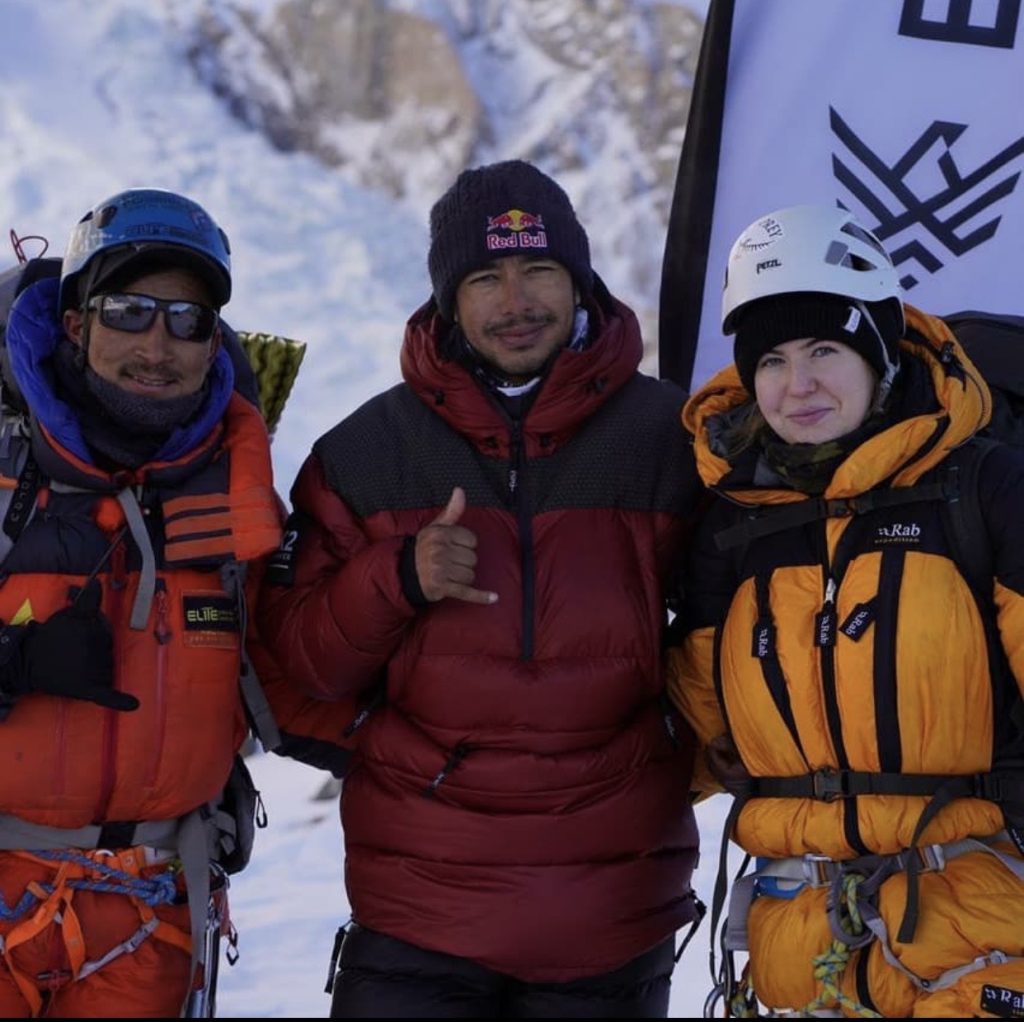
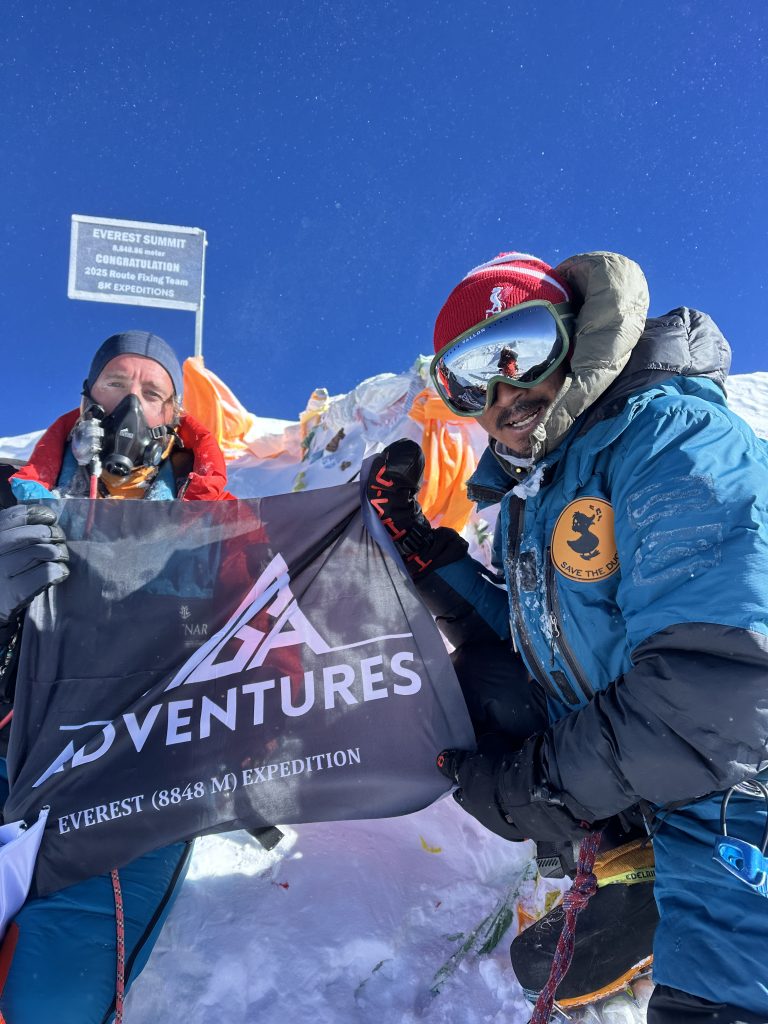
I’m Adriana Brownlee, a professional mountaineer and the youngest woman to summit all 14 of the world’s 8,000m peaks. AGA Adventures is one of the very few female-owned expedition companies in Nepal, and I join every one of our Everest Base Camp treks in person, co-leading with Gelje Sherpa. These are the things I tell every woman who joins us, the practical stuff most guides never mention.

Key takeaways
- Safety: the Everest region is very safe for women, and serious incidents against trekkers are rare.
- Solo travel: you can join a group trek on your own, and a guide is required for the trek anyway.
- Toilets: expect a mix of western and squat toilets. Bring your own toilet paper and hand sanitiser.
- Periods: altitude can make your cycle irregular, so pack supplies even if you are not due. Pads are often easier than tampons.
- Showers: only shower on the rest days in Namche and Dingboche, and always dry your hair.
- Health: ask your GP about your iron levels, and avoid changing hormonal medication just before the trek.
- Clothing: wear layers, and cover your shoulders and knees in monasteries.
Is the Everest Base Camp trek safe for women?
The Everest Base Camp trek is one of the safest treks in the world for women. The trail is busy in spring and autumn, the villages are close together, and the Sherpa communities of the Khumbu are known for their hospitality. Crime against trekkers here is rare.
The real risks on the EBC trek are the same for everyone: altitude sickness, cold and the occasional slip on the trail. That is why a good guide matters far more than your gender.
A few simple steps I always recommend:
- Trek with a registered company and a licensed guide
- Share your itinerary and your guide’s details with someone at home
- Keep your valuables in your daypack, not your duffel bag
- Trust your instincts, and tell your guide straight away if anything makes you uncomfortable
On our treks, the team carries a satellite phone, radios, emergency oxygen and a full medical kit, and we check on every client daily.


Can you trek to Everest Base Camp as a solo woman?
Yes, solo women trek to Everest Base Camp every season. A guide is required for the trek, so you will never be walking alone, and joining a small group trek is the easiest way to go solo while still meeting people.
Lots of the women who join us book on their own and leave with friends for life. If you want your own space, single rooms can be requested in most teahouses. And you are never the only woman on the team: I’m on every one of our EBC treks, and we have female guides at AGA too, including Gelje’s sister, Lhemi Sherpa.

What are the toilets like on the Everest Base Camp trek?
Toilets on the EBC trek range from western-style flush toilets in the lower villages to squat toilets and long-drops higher up. We book the best lodge in each village, so most rooms have attached bathrooms, but toilets get simpler as you climb.
- Toilet paper: is rarely provided. Bring your own, and carry a small zip-lock bag for used paper on the trail.
- Hygiene: carry hand sanitiser and biodegradable wet wipes.
- On the trail: there are toilets in most villages and tea stops, but you will sometimes need to go outdoors. Your guide will help you find a discreet spot.
- At night: toilets can be down a cold corridor, so keep your down jacket and head torch next to your bed for night-time trips.
- Pee funnels: I don’t recommend using a pee funnel at night unless you have had plenty of practice, as it can get messy! If you want to try one, practise at home first.
Can you trek to Everest Base Camp on your period?
Yes, you can trek to Everest Base Camp on your period, and plenty of women do. The main things to plan for are supplies, hygiene and the fact that altitude can change your cycle.
- Your cycle may change: altitude, travel, cold and exercise can make your period early, late, heavier or lighter. Pack supplies even if you are not due.
- Bring pain relief: pack whatever you normally take, plus a hot water bottle, which you can fill at teahouses in the evening.
My top tips for periods on the trek
- Pads are often easier than tampons. Changing tampons regularly can be tricky on the trail. But if you are more comfortable with tampons or a cup, stick to what you know.
- Bring wipes. Biodegradable wet wipes make it much easier to stay clean when there is no running water.
- Carry sandwich bags for rubbish. Never throw a used pad or tampon on the trail. Keep used products in a sealable bag until you reach a bin.
- Check for a bin. When you arrive at a teahouse, make sure your room or the toilet has a bin, so you can dispose of things discreetly.
- Be proactive with hygiene. Keep paper soap and hand sanitiser with you at all times, not buried in your duffel bag.
- Wear cotton underwear. It is breathable and helps you stay fresh and avoid infections.
Can you shower on the Everest Base Camp trek?
You can shower on the EBC trek, but I only recommend showering on your acclimatisation days in Namche Bazaar and Dingboche. Showering on trekking days, when you are tired and the evenings are cold, makes it really easy to get chilled and get sick, which can ruin your trek.
My top tips for staying clean on the trek
- Shower only on rest days. Save your showers for the rest days in Namche and Dingboche, and use wet wipes in between.
- Always dry your hair. Never go to bed or outside with wet hair. Some hotels in Namche have hairdryers you can borrow.
- Treat yourself in Namche. There is a hairdresser in Namche Bazaar that does a wash and blow dry for around 1,000 Nepali rupees, perfect on your rest day.
- Keep your nails short. Short nails are easier to keep clean, which matters when water is limited and you are eating snacks with your hands on the trail.
- Pack dry shampoo. It keeps your hair fresh between showers.
- Keep your hair loosely tied up. I always wear a loose bun under a cap, or a loose braid. Braids are easy to maintain, but keep them loose, as tight braids or ponytails can cause headaches, which are easy to confuse with altitude sickness.
- Cover your head at night. Always wear a warm hat when you sleep. My trick is to pull my buff up over my hair, as it stays on all night, unlike a hat.
What health checks should women do before the EBC trek?
Before the Everest Base Camp trek, ask your GP to check your iron levels and talk through any medication you take. Both can affect how you feel at altitude.
- Iron levels: iron helps your blood carry oxygen, and low iron is common in women. Ask for a blood test a few months before you go so there is time to correct it.
- Hormones: I don’t recommend changing your hormones before a big trek. Avoid starting or switching hormonal medication or contraception shortly before you go, so you are not dealing with new side effects in the mountains. If you have any concerns about your current method at altitude, speak to your GP.
- Altitude medication: discuss Diamox and any other medicines with your GP, especially if you are on other medication. Read my altitude sickness do’s and don’ts for more.
- Pregnancy: if you are pregnant or trying to conceive, speak to your doctor before booking a high-altitude trek.
- UTIs: cold, dehydration and fewer toilet stops can make urinary infections more likely. Drink plenty, and ask your GP about carrying treatment just in case.
What should women wear on the Everest Base Camp trek?
Wear practical layers on the EBC trek, and dress modestly in villages and monasteries. Nepal is relaxed about trekking clothes, but covering your shoulders and knees inside monasteries and gompas, like Tengboche, is respectful.
My trekking clothing tips for women
I’m a Rab athlete and I love their clothing for trekking. These are the things I wear and recommend:
- Loose, comfortable trekking trousers are a must. I wear the Rab Women’s Momentum Pants on warmer days because they are super comfy, and the Rab Women’s Ascendor Pants on colder days and for climbing.
- Use a women’s backpack. Women’s sizing is totally different to men’s, with a shorter back length and hip belt shaped for women. Osprey make lots of great women’s options.
- Get a comfortable sports bra. Nothing super tight, as a tight bra can restrict your breathing, which you really notice at altitude. Bring two or three, and avoid underwire, which gets cold and rubs under a backpack.
- Merino base layers: merino tops and leggings stay warm and do not smell after several days.
- Cotton underwear: breathable and helps you stay fresh and avoid infections, especially on your period. Bring enough to change daily.
Want more clothing recommendations? Email us anytime at info@agaadventuresltd.com and I’ll happily help you choose the right kit.
For the full kit list, see my complete Everest Base Camp trek guide.

What should women pack for the Everest Base Camp trek?
Alongside the standard EBC kit list, pack period supplies, hygiene essentials and a few small comforts for the cold.
| Category | What to pack |
|---|---|
| Period | Pads (or your usual products, more than you think), sandwich bags for used products, pain relief |
| Hygiene | Toilet paper, paper soap, hand sanitiser, biodegradable wet wipes, travel towel |
| Toilet | Head torch for night-time toilet trips, a pee funnel only if you have practised with it |
| Clothing | Loose trekking trousers for warm days, warmer softshell trousers for cold days, 2-3 comfortable (not tight) sports bras, cotton underwear, merino base layers, a scarf or buff for monasteries |
| Backpack | A 20L women’s-specific daypack |
| Skin, hair and nails | SPF 50 suncream, SPF lip balm, rich moisturiser, dry shampoo, hair ties, nail clippers, cap |
| Comfort | Hot water bottle, warm hat or buff for sleeping, sleeping bag liner, earplugs, eye mask |
| Health | Any prescribed medication, UTI treatment if your GP recommends it, personal first aid kit |
The sun is intense at altitude and the air is very dry, so suncream, lip balm and moisturiser make a big difference to how you feel by the end of the trek. For the rest of your kit, see my guide on what to pack for a trek.
Why trek to Everest Base Camp with AGA Adventures?
AGA Adventures is one of the very few female-owned expedition companies in Nepal, and I’m on every one of our Everest Base Camp treks. You trek with a woman who understands exactly what women need in the mountains.
- A female leader on every trek: I join every EBC trek in person, so there is always a woman on the team you can talk to about anything.
- Female guides: we have female Sherpa guides on our team, including Gelje’s sister, Lhemi Sherpa.
- We organise everything, from airport pickup and Lukla flights to permits, porters and meals, so all you have to focus on is trekking and staying fit and healthy.
- The best lodges in each village, with mostly attached bathrooms, electric blankets and single rooms on request.
- Local Sherpa guides who grew up in the Khumbu, led by my co-founder Gelje Sherpa.
- Safety first, with a satellite phone, radios, emergency oxygen, a full medical kit and daily weather forecasts.
- Training support: a Lake District training weekend for anyone nervous about their fitness.
Read what past trekkers say in our client stories.
Everest Base Camp trek for women FAQs
Is the Everest Base Camp trek safe for solo female travellers?
Yes. The Everest region is very safe for women, and with a required guide and teahouse stays every night, you are never truly alone on the trail.
Are there female guides on the Everest Base Camp trek?
Yes. Female guides are still fewer in number in Nepal, but AGA Adventures has female guides, including Lhemi Sherpa, sister of co-founder Gelje Sherpa, and I join every Everest Base Camp trek in person.
Are there female-owned trekking companies in Nepal?
Yes, but very few. AGA Adventures is one of the very few female-owned expedition companies in Nepal, founded by mountaineer Adriana Brownlee, who joins every Everest Base Camp trek. AGA also has female guides on its team.
Can I trek to Everest Base Camp on my period?
Yes. Pads are often easier than tampons on the trail. Bring more supplies than you think you need, wipes, paper soap and sandwich bags for used products, and never leave anything on the trail.
Does altitude affect your period?
It can. Altitude, travel, cold and exercise can make your period early, late, heavier or lighter, so pack supplies even if you are not due.
What are the toilets like on the EBC trek?
Western toilets in the lower villages and squat toilets higher up. Toilet paper is rarely provided, so bring your own along with hand sanitiser.
Can you shower on the Everest Base Camp trek?
Yes, but only shower on the rest days in Namche Bazaar and Dingboche, and always dry your hair. Showering on trekking days makes it easy to get cold and sick.
Can you get your hair done in Namche Bazaar?
Yes. There is a hairdresser in Namche that does a wash and blow dry for around 1,000 Nepali rupees, and some hotels have hairdryers.
What is the best hairstyle for the Everest Base Camp trek?
A loose bun under a cap, or a loose braid. Both are easy to maintain, but avoid tight braids or ponytails, which can cause headaches.
What should women wear on the Everest Base Camp trek?
Loose, comfortable trekking trousers, merino base layers, a comfortable sports bra that is not too tight and cotton underwear. Cover your shoulders and knees when visiting monasteries.
What are the best trekking trousers for women on the EBC trek?
Loose, comfortable trousers are a must. I wear the Rab Women’s Momentum Pants on warmer days and the Rab Women’s Ascendor Pants on colder days and for climbing.
Do women need a women’s-specific backpack?
Yes. Women’s backpack sizing is totally different to men’s, with a shorter back length and a hip belt shaped for women. Osprey make lots of great women’s options.
Should I change my contraception before the EBC trek?
I don’t recommend changing your hormones before a big trek. Avoid starting or switching hormonal medication shortly before you go, and speak to your GP if you have concerns.
How much does the Everest Base Camp trek cost with AGA?
US$2,900 per person, including flights to Lukla, permits, guides, porters, accommodation and meals on the trek.
Ready to trek to Everest Base Camp?
Trek with one of Nepal’s very few female-owned expedition companies. Join me, Gelje and our Sherpa team on the Everest Base Camp trek, departing 4-20 April and 12-28 October every year, for US$2,900. We organise everything, so all you need to do is trek.
Email info@agaadventuresltd.com or book a call to save your place. For everything else about the trek, read my complete Everest Base Camp guide.