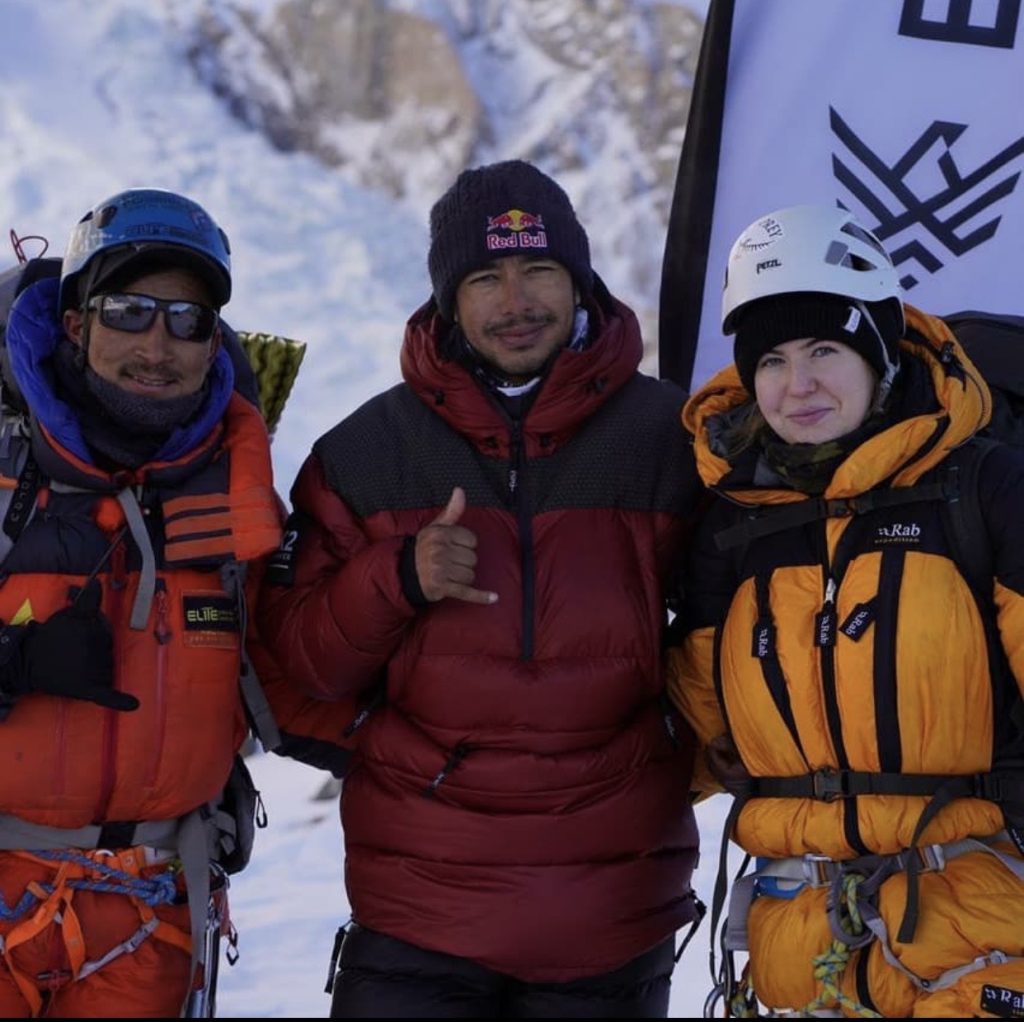
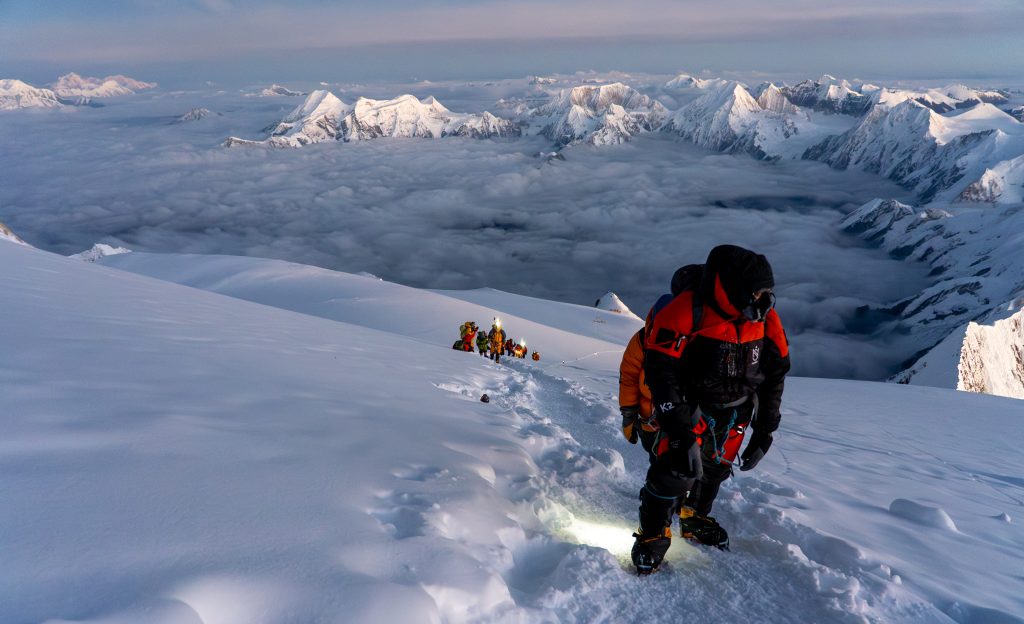
Altitude sickness is always the biggest concern when it comes to high altitude trekking and treks around the Himalayas.
There are ways to avoid the problem, however altitude sickness can affect anyone of any fitness, age, gender etc…
I am going to give a few do’s and don’t’s when it comes to hiking and how they can affect altitude sickness.
DO’S
Drink A LOT of water. When I say a lot I mean chugging down around 4-5L per day so that your urine comes out clear and regularly, maybe more regularly than you would like! It’s so important to keep hydrated, it’s the best way to avoid any altitude sickness and headaches. As soon as you do feel a headache coming on, drink some water or tea (any hydrating liquid) and take some paracetamol. If the headache gets worse or persists, take some extra rest days until it lightens.
Take Diamox if you’re worried. Taking half a pill a day or a full pill, a day is just enough to keep you going during your trek. Diamox simply makes you pee more so you release salts, excess water and bicarbonate from the body. In turn it reduces symptoms of altitude sickness and helps you acclimatise faster. In my opinion Diamox isn’t necessary on any of our treks as the speed we ascend is very slow and allows your body enough time to acclimatise however if you wish to use it you can start taking it a couple of days before the trek and during.
Train hard at home before the trek. Make sure you are fit and ready for your trek as this is something that is in your control! Do some long walks with a light backpack or find some hilly areas and test your stamina walking up the steeper parts, this way you can mentally relax and physically be in tip top shape for your trek. None of the treks on our website are extremely physically demanding, you don’t need to be running marathons or breaking records but a good base level is always required.
Slow is steady and steady is fast! During your trek walk slower than you feel is slow. You really want to make sure you don’t expend unnecessary energy and run out of gas during the trek as this can speed up altitude sickness symptoms and also just leave you too tired to enjoy the journey. Your guide will always set the pace so don’t worry too much about that but remember to always go slow.
DON’T’S
Don’t underestimate the trek. Yes, its not the most physically challenge adventure in the world but it’s still a high altitude trek, some places almost reaching as high as Kilimanjaro summit. So many people I see trekking just haven’t prepared beforehand physically and struggle at the higher altitudes. Make sure this isn’t you!
Don’t drink too much coffee as your hydrating source, if anything coffee is dehydrating so for every cup of coffee make sure to drink a glass of water too.
Don’t forget to enjoy the journey! Negative thoughts create negative moods and therefore more likely to bring on altitude sickness.